











































































Skipton Building Society is moving beyond early experimentation with Microsoft 365 Copilot and into broader organisational use. The focus now is on how Copilot becomes part of everyday work across the business, and what it takes to do that safely and at scale.
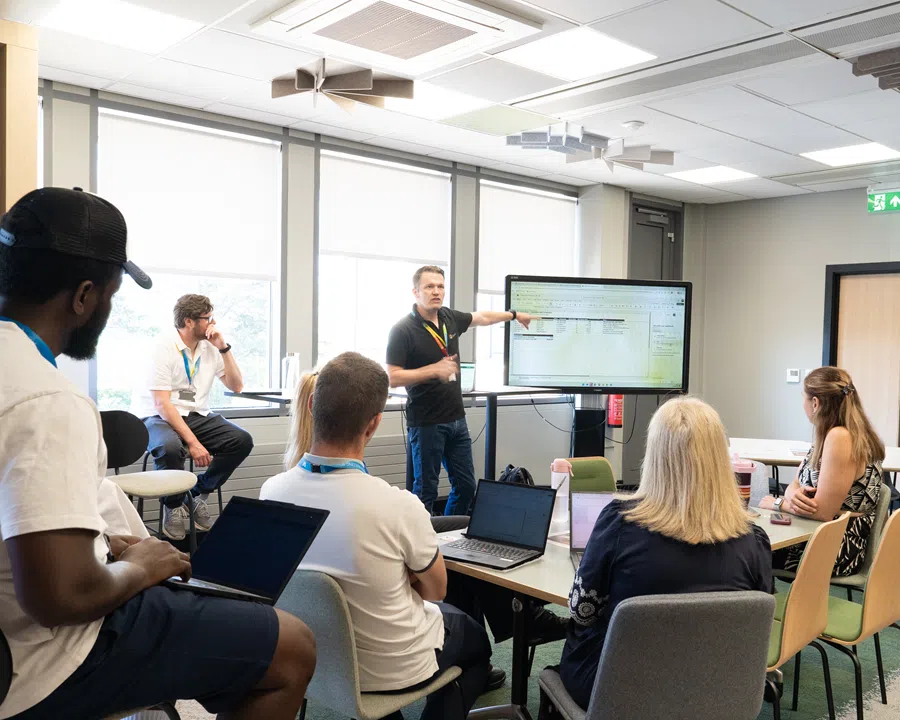
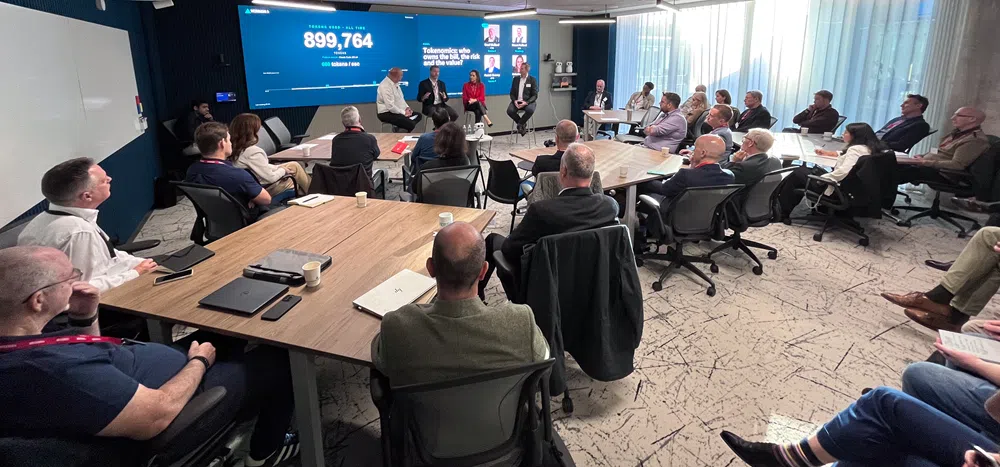
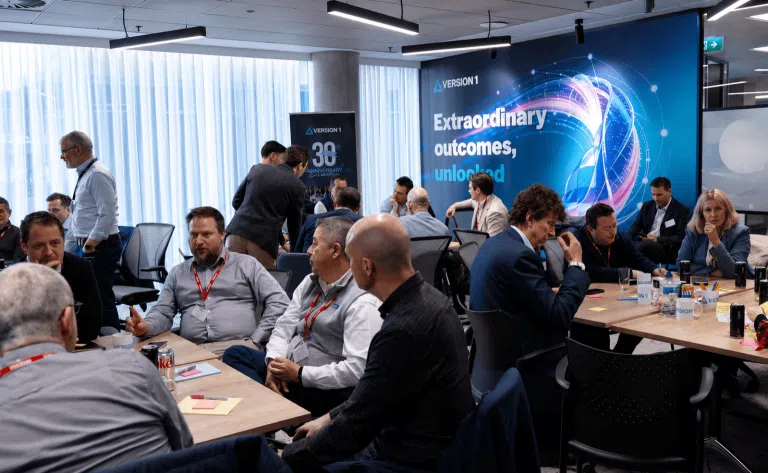
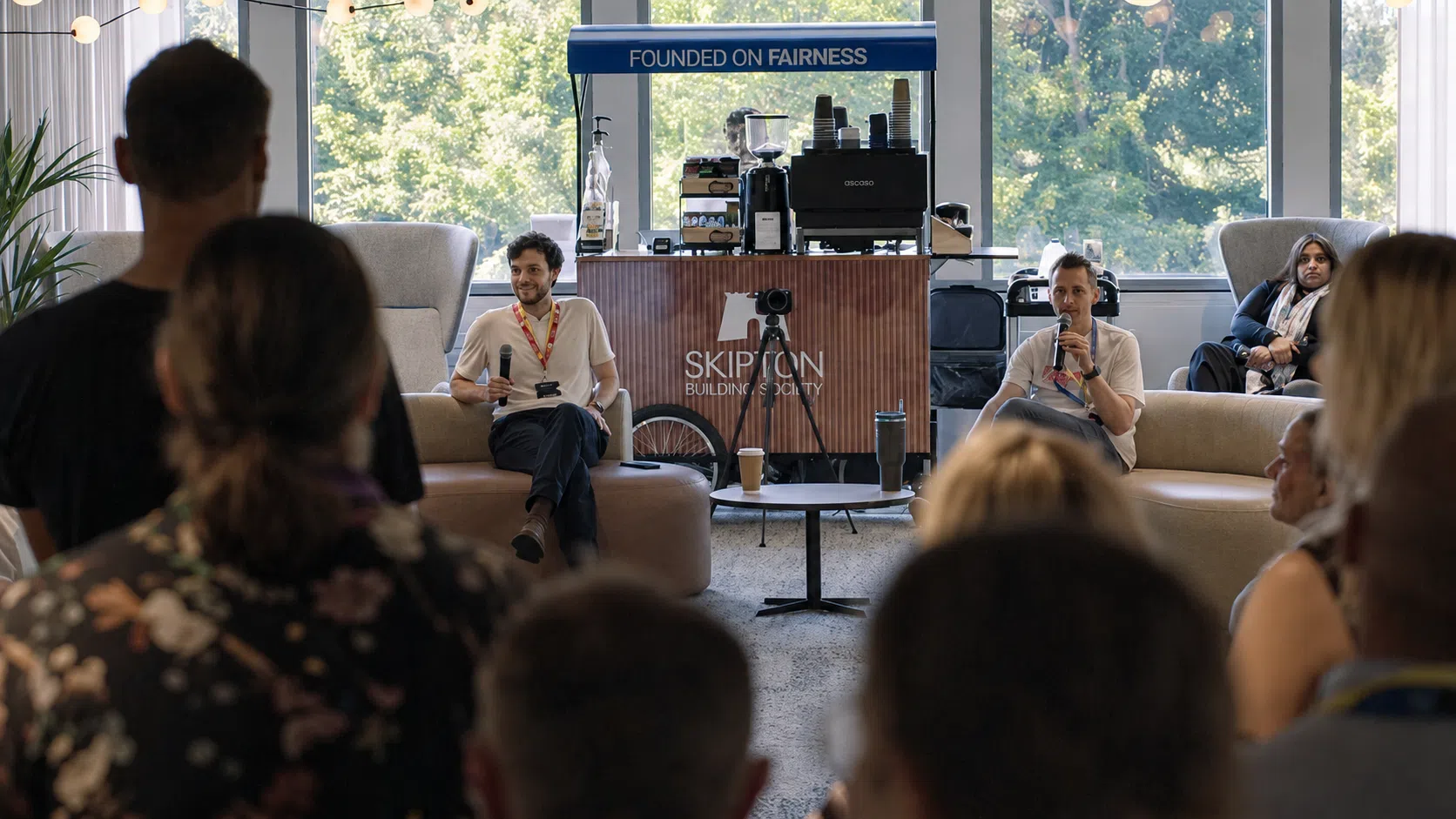
At a recent Copilot internal enablement day, over 650 colleagues from across Skipton came together to take part in hands-on sessions, practical demos and discussions. The mix of roles and experience in the room reflected a clear commitment to building confidence with AI right across the organisation, not just within technology teams. What stood out was the energy and curiosity on the day, with colleagues actively exploring how Copilot could support their day-to-day work, simplify tasks and unlock new ways of learning and collaborating.
Having that tri-party alignment between organisation, AI services expert and hyper-scaler is key in delivering successful Copilot org-wide adoption. Skipton is leading the direction and setting the ambition. Microsoft brings the platform and product capability. Version 1 is working alongside both to put structure around how Copilot is adopted, from readiness and governance through to enablement and rollout. That combination came through clearly on the day and is a big part of why AI is gaining positive traction across the organisation.
Moving from curiosity into everyday work
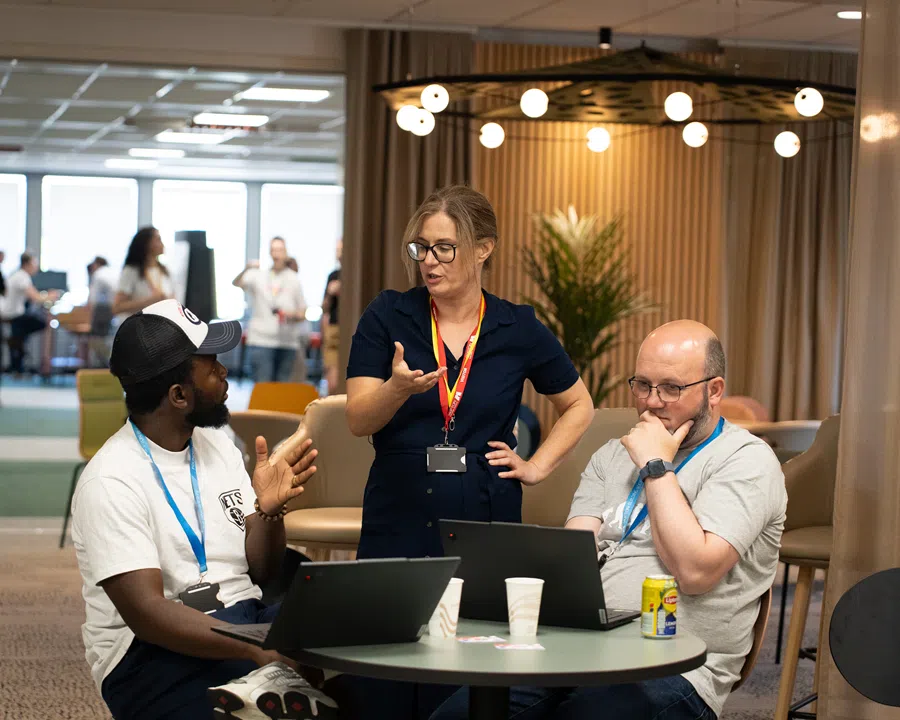
The conversations on the day were focused on practical application. Where Copilot fits into real workflows, how it supports specific roles, and how it helps people get more out of the time they already spend.
That shift comes through clearly in how Skipton is thinking about productivity.
“We need to talk about hours invested, not hours saved. We want to create an environment where the same number of people can deliver more outputs and create more value for our members.”
Charlie Moran, Head of Data Capability, Skipton Building Society
This is about enabling people to spend more time on useful work, not just reducing effort. It reflects a more grounded view of value, especially in a regulated organisation where quality, consistency and judgment still matter.
Building confidence to scale in a regulated environment
For financial services organisations, adoption depends on trust. That means understanding how Copilot interacts with data, how outputs are generated, and how governance is applied.
The approach at Skipton has been to put structure around that from the start, aligned with the best practice of Version 1’s Global AI Tooling Adoption Programme. Governance, data readiness and clear guidance are built into the rollout rather than added later.
“Trust is really important at scale. If you don’t have trust in the data, you’re going to have a barrier to adoption.”
Vickie Stevenson, Microsoft AI Business Solutions Lead, Version 1
When those foundations are in place, people are more willing to engage with the tools and use them confidently in their day-to-day work.

Lowering the barrier to solving problems
One of the more interesting themes from the day was how Copilot changes who can do what.
“We’re never solving new problems. We’ve just massively lowered the bar of entry to solving those problems.”
Charlie Moran, Head of Data Capability, Skipton Building Society
Tasks that previously required specialist knowledge or more time can now be approached more broadly across the organisation. More people are able to contribute, test ideas and move work forward. That has a direct impact on how quickly teams can respond and how much they can deliver.
Turning momentum into structured, scalable adoption
Skipton has set a clear direction, but scaling adoption at this level requires structure. Version 1’s changed-enabled Forward Deployed Engineers are working alongside Skipton and Microsoft to support that next phase.
- Making Copilot usable and sustainable across the organisation
- aligning readiness across data, security and governance
- Defining how Copilot is used in real, role-based scenarios and embedding enablement into day-to-day workflows
- Supporting rollout in a way that balances pace with control
The emphasis is on practical use. Not just access to licences, but how people actually apply Copilot in their roles and how that becomes consistent across teams.
What this represents
The shift underway at Skipton reflects a broader change across financial services. AI is moving out of small-scale pilots and into wider business use. The difference now is the focus on how it is adopted, governed and used in practice.
There is clear intent, strong engagement from across the organisation, and a structured approach behind it.
Where this leads
Ultimately, the value comes back to people. How work feels day to day, how teams collaborate, and how customers experience the organisation.